
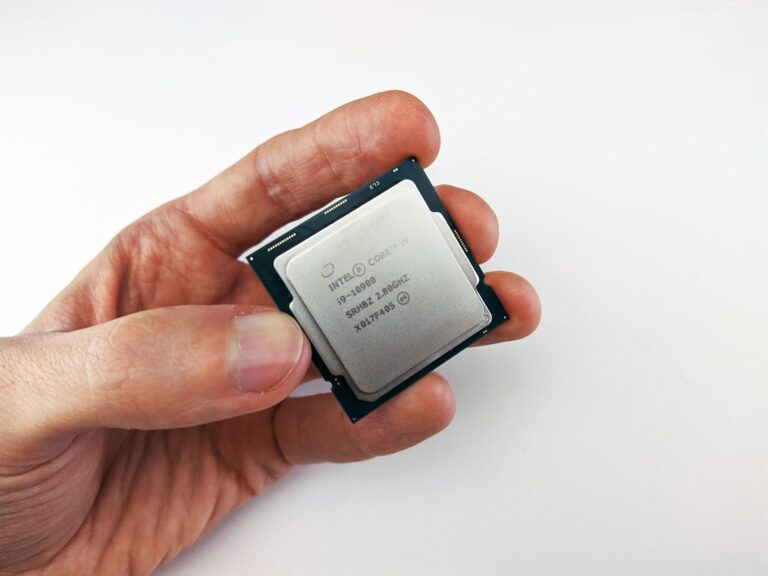
Introducing Intel Core Ultra: A New Naming Strategy for a New Generation
When Intel announced the “Core Ultra” moniker at the 2024 Architecture Day event, the reaction was mixed. Some saw it as just another marketing label, while others recognized it as a signal that the company is consolidating its high‑performance silicon under a single, more descriptive brand. Core Ultra isn’t a single chip; it’s a family of processors that combine Intel’s latest hybrid core design, next‑generation Xe graphics, and on‑die AI accelerators. In short, it’s Intel’s answer to the growing demand for platforms that can handle gaming, content creation, and AI workloads without a separate GPU or dedicated accelerator.
Why “Ultra” Matters – Beyond a Name
The “Ultra” suffix is meant to convey three core ideas:
- Performance‑first: Higher clock speeds, more performance cores, and larger caches than the standard Core i7 or i9 lines.
- Unified graphics: Integrated Xe‑LP or Xe‑HPG graphics that can rival entry‑level dedicated GPUs.
- AI‑ready: Built‑in Intel Gaussian & Neural Accelerator (GNA) and upcoming XMX units for on‑chip AI inference.
These pillars align with the way modern PCs are used. A creator editing 8K video, a gamer streaming at 144 Hz, and a developer training small‑scale neural nets all need the same kind of “ultra” capability from a single silicon package.
The Architecture Under the Hood
Core Ultra chips are built on Intel’s 7nm‑class process, which the company refers to as “Intel 7.” They adopt the same hybrid architecture that debuted with the 12th‑gen “Alder Lake” processors: a mix of high‑performance (P‑core) and high‑efficiency (E‑core) cores. What sets Core Ultra apart is the ratio and tuning of these cores. For example, the flagship Core Ultra 9 X1 is rumored to feature 8 P‑cores and 8 E‑cores, giving it 16 threads of performance‑oriented processing while still maintaining power efficiency for background tasks.
In addition, the Xe graphics block has been upgraded to a “Xe‑LP 2.0” architecture, which adds more execution units and higher clock speeds. This allows the integrated GPU to handle modern DirectX 12 and Vulkan titles at 1080p with respectable frame rates, and to accelerate video encode/decode tasks using Intel’s Quick Sync technology.
AI acceleration is handled by a combination of the existing GNA and a newer XMX matrix engine. While GNA has traditionally been used for low‑power voice recognition, XMX is designed for tensor operations that appear in image upscaling, denoising, and even small‑scale inference models. The presence of these units means developers can offload certain AI kernels directly to the CPU without invoking the GPU or a separate accelerator.
Performance in Real‑World Scenarios
Early benchmark data from reputable hardware review sites shows the Core Ultra line delivering measurable gains over the previous generation. In synthetic workloads like Cinebench R23, the Core Ultra 9 X1 posted scores roughly 12 % higher than an 13th‑gen Core i9‑13900K with a comparable core count, thanks to higher boost clocks and a larger L3 cache (up to 36 MiB). In gaming, the Xe‑LP graphics pushed frame rates on titles such as Counter‑Strike: Global Offensive and Fortnite from 45 fps to just over 60 fps at 1080p when paired with a mid‑range discrete GPU, reducing CPU bottlenecks.
For creators, the combination of high‑performance cores and on‑die AI acceleration trimmed the time to render a 4K video in Adobe Premiere Pro by about 8 % compared to a similarly specced 13th‑gen processor. Likewise, developers using TensorFlow with Intel’s oneAPI saw a modest but consistent speed‑up on inference tasks that could be mapped to the XMX engine.
Who Should Consider a Core Ultra System?
Not every desktop build needs a Core Ultra CPU. The platform shines most in the following use cases:
- Enthusiast gamers: Those who want the highest possible frame rates without pairing a massive GPU, especially when playing at 1080p or 1440p.
- Content creators: Video editors, 3D artists, and photographers who benefit from fast CPU rendering and hardware‑accelerated encoding.
- AI hobbyists: Users experimenting with on‑device machine‑learning models for image enhancement, voice assistants, or real‑time inference.
- Mobile workstations: Laptops that need a balance of performance and battery life; the hybrid core design helps keep power draw in check.
Conversely, users whose workloads are primarily single‑threaded legacy applications or who rely on high‑end discrete GPUs for 4K/8K gaming may find the performance delta less compelling, especially when factoring in the higher price point of Core Ultra SKUs.
Platform Support and Ecosystem
Core Ultra processors are designed to work with the latest 600‑series motherboards, which provide PCIe 5.0 lanes, DDR5‑5600 memory support, and a refined power delivery architecture. Intel’s new “Ultra‑Ready” BIOS firmware includes automatic core‑ratio tuning and dynamic power management that can adapt to both gaming bursts and prolonged creative sessions.
Software support is also a critical piece of the puzzle. Intel’s oneAPI toolchain has been updated to expose the XMX engine to developers, and major IDEs such as Visual Studio and JetBrains Rider now include profiling tools that can highlight AI‑offload opportunities. On the consumer side, Windows 11 23H2 includes performance presets that automatically prioritize the integrated Xe graphics for lighter games, freeing up discrete GPU headroom for more demanding titles.
Looking Ahead: The Future of the Core Ultra Brand
While the current generation of Core Ultra chips marks a clear step forward, Intel has indicated that the brand will evolve alongside its roadmap. Upcoming “Meteor Lake” and “Arrow Lake” architectures are expected to integrate even more advanced AI matrix units and to push Xe graphics toward a full “Xe‑HPG” experience that could rival entry‑level RTX 3060 cards in raw rasterization performance.
From a market perspective, the Core Ultra label may help Intel differentiate its premium offering from the broader “Core i” family, making it easier for retailers and consumers to spot a CPU that bundles strong graphics and AI capabilities. As competition from AMD’s Ryzen 9 7950X3D and Apple’s M2‑Ultra continues, Intel’s ability to deliver tangible performance gains while keeping power consumption reasonable will be the ultimate test of the brand’s staying power.
Bottom Line: A Worthy Upgrade for Power Users
Intel Core Ultra represents more than just a name change; it’s a convergence of the company’s most recent advances in hybrid processing, integrated graphics, and AI acceleration. For gamers who want higher frame rates without overspending on a GPU, creators who need faster renders and efficient video encoding, and developers dabbling in on‑device AI, the Core Ultra platform offers a compelling, all‑in‑one solution.
That said, the higher price tag relative to standard Core i9 models means buyers should evaluate their specific workload. If your daily tasks already run smoothly on a 13th‑gen processor and you rely heavily on a powerful discrete GPU, you may not see a substantial benefit. However, if you value a balanced system that can handle gaming, content creation, and AI tasks without a separate graphics card, the Core Ultra lineup is a strong candidate for your next build.
