
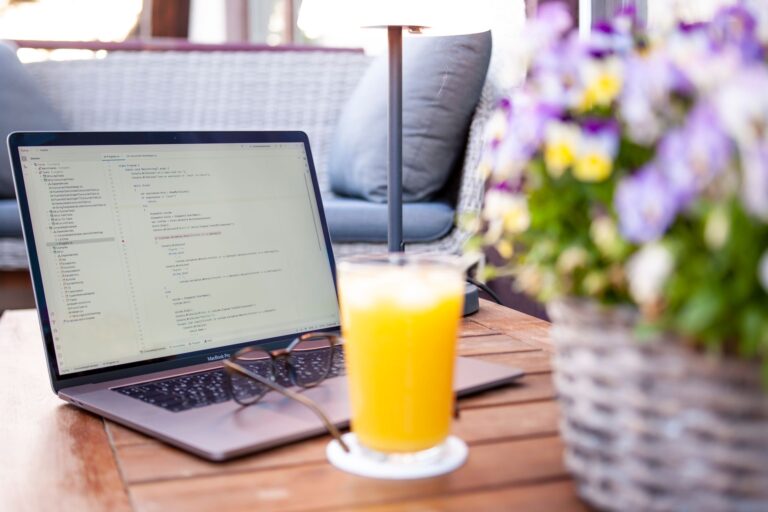
Understanding the Term “Vibe Coding”
In the bustling world of software development, buzzwords pop up as quickly as new libraries. One phrase that’s been gaining traction among developers, especially on platforms like Twitter, Reddit, and Discord, is vibe coding. At its core, vibe coding isn’t a formal methodology or a new programming language; it’s a cultural shorthand for a mindset that prioritizes flow, intuition, and a relaxed yet focused approach to writing code.
Where the Idea Came From
The origins of “vibe” as a descriptor for mood or atmosphere trace back to music and pop culture, where a “good vibe” signals a positive, harmonious feeling. Developers began borrowing the term to describe sessions where everything just clicks—syntax is fresh, the problem feels approachable, and the mental state is calm and productive. Early references appear in informal blog posts and community threads around 2020, when remote work and “quiet hours” in coworking spaces became common. The phrase quickly spread because it captured something that many coders felt but struggled to articulate.
Key Elements of Vibe Coding
While the concept is loosely defined, most practitioners agree on a handful of core components that make up a successful vibe coding session:
- Environment control: A tidy workspace, low‑distraction music (often lo‑fi or ambient), and comfortable lighting.
- Mindful focus: Techniques such as the Pomodoro timer, breathwork, or short meditative breaks to stay present.
- Intentional pacing: Choosing a realistic, bite‑sized goal rather than a marathon coding sprint.
- Tool harmony: Using an editor, extensions, and command‑line utilities that feel natural and don’t interrupt the mental flow.
- Positive self‑talk: Reframing errors as learning moments rather than setbacks.
How to Set Up Your Workspace for Vibe Coding
Creating a conducive environment is the first practical step. Many developers report that a simple adjustment—such as moving a monitor to eye level or adding a plant—can dramatically improve focus. Below are some tried‑and‑tested tweaks:
- Noise management: Noise‑cancelling headphones paired with instrumental playlists help block out sudden interruptions.
- Ergonomic posture: A chair with lumbar support and a keyboard at elbow height reduce physical fatigue, keeping the mind free for coding.
- Visual declutter: Close irrelevant tabs, hide desktop icons, and enable a minimalistic theme in your IDE.
- Ambient lighting: Soft, warm lighting reduces eye strain; many developers use smart bulbs that can be dimmed or set to a “focus” color temperature.
The Role of Rhythm and Flow in Vibe Coding
Flow theory, popularized by psychologist Mihaly Csikszentmihalyi, describes a state where a person is fully immersed in an activity. Vibe coding is essentially a developer‑focused interpretation of flow. When the challenge of the task aligns with a coder’s skill level, the brain releases dopamine, making work feel rewarding. Maintaining this rhythm often means alternating periods of intense concentration with brief, restorative pauses. For example, a 25‑minute coding burst followed by a 5‑minute stretch or eye‑exercise can prevent the mental fatigue that typically disrupts flow.
Some developers use music not just for background noise but as a metronome for their typing cadence. A steady, repetitive beat can subconsciously set a tempo, helping to keep keystrokes consistent and reducing the likelihood of syntax errors.
Tools That Complement the Vibe
Because vibe coding emphasizes minimal interruption, many practitioners gravitate toward tools that are lightweight and highly customizable. Below is a short list of popular choices that fit well with the vibe mindset:
- Visual Studio Code: Its extensive marketplace allows developers to install only the extensions they truly need, keeping the UI clean.
- Neovim: For those who prefer modal editing, Neovim offers a distraction‑free environment once configured.
- Terminal multiplexers (e.g., tmux): They let you manage multiple sessions without leaving the terminal, reducing context switches.
- Task runners like Taskfile or just: Simple scripts replace heavy build tools when the project scope is modest.
- Focus timers: Apps such as Be Focused or the built‑in Pomodoro timers in many IDEs provide structured intervals.
The common thread is that these tools can be tailored to each developer’s “vibe” rather than forcing a one‑size‑fits‑all workflow.
Common Misconceptions About Vibe Coding
Because the term is informal, it sometimes attracts criticism or misunderstanding. Two frequent myths are worth addressing:
- “It’s just an excuse to procrastinate.” While a relaxed atmosphere can feel leisurely, the goal of vibe coding is purposeful focus, not avoidance. The structured breaks and clear goals help keep momentum.
- “It works for everyone.” Not all developers thrive on the same stimuli. Some prefer absolute silence, while others need frequent collaboration. Vibe coding is a framework that can be adapted, not a rigid rule.
Understanding these nuances prevents the phrase from becoming a buzzword stripped of its practical value.
Integrating Vibe Coding Into Team Environments
Remote work and distributed teams have made it harder to maintain a shared rhythm, but many groups are experimenting with collective vibe coding sessions. A typical approach might involve:
- All participants mute their microphones and turn on the same playlist.
- Each member sets a personal timer for a coding sprint (e.g., 30 minutes).
- After the sprint, a brief stand‑up allows everyone to share progress and any blockers.
This “virtual co‑working” respects individual flow while still providing the social accountability that many developers find motivating. Companies that have tried such sessions report higher satisfaction scores during retrospectives, though the impact on measurable output varies by project.
Looking Ahead: The Future of Vibe Coding
The conversation around vibe coding is still evolving. As more developers prioritize mental health and sustainable productivity, we can expect the following trends:
- Integrated wellbeing features: IDEs may offer built‑in focus timers, ambient sound generators, or gentle eye‑strain alerts.
- Data‑driven personalization: Tools could learn a developer’s preferred working rhythm and suggest optimal break intervals.
- Community‑driven playlists: Curated “vibe” music libraries shared across platforms, with licensing that respects artists.
Regardless of how the technology evolves, the core principle remains the same: coding should feel good. By aligning environment, mindset, and tools, vibe coding reminds us that the best software is often built when the developer is in the right headspace.
Putting Vibe Coding Into Practice Today
If you’re curious to try vibe coding, start small. Choose a single task, set up a distraction‑free workspace, play a low‑key playlist, and commit to a 20‑minute focused session followed by a short stretch. Observe how your concentration changes, and adjust the elements—music genre, timer length, lighting—until you find a combination that feels natural. Over time, you’ll develop a personal “vibe” that helps you navigate both routine bugs and ambitious features with a steadier, more enjoyable rhythm.
