
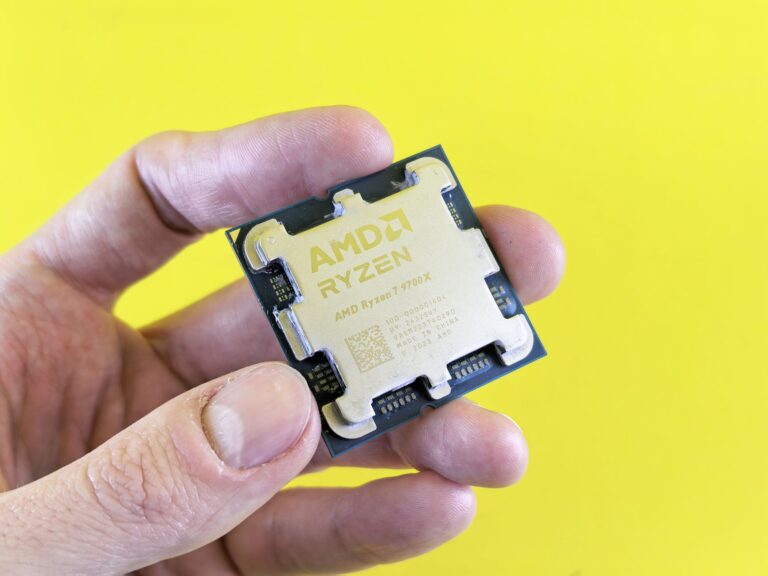
What the Ryzen AI 300 Series Is – and Why It Matters
In early 2024 AMD introduced the Ryzen AI 300 series, a family of ultra‑thin‑and‑light laptop processors that blend traditional CPU power with a dedicated artificial‑intelligence accelerator. It’s the first time AMD has baked a neural‑processing unit (NPU) directly into its mainstream mobile silicon, and the move signals a shift in how laptops will handle everything from photo enhancement to real‑time translation.
The series sits on AMD’s 4 nm process and carries the same Zen 4 core architecture that powers the Ryzen 7000 desktop line. What makes the 300 series distinct is the addition of a “Ryzen AI Engine” – an on‑die NPU that can deliver up to roughly 6 TOPS (trillion operations per second) of AI throughput, according to AMD’s technical briefings. This capability is designed to offload common AI‑heavy tasks from the CPU and GPU, improving speed and battery life.
The Silicon Architecture: CPU, GPU, and AI Together
All Ryzen AI 300 chips are built around a unified die that houses three main blocks:
- Zen 4 CPU cores – typically six cores and twelve threads, with a base clock in the 2.0 GHz‑2.5 GHz range and boost clocks that can reach 5.0 GHz on the flagship models.
- RDNA 3 graphics – integrated iGPUs ranging from 6 to 10 Compute Units (CUs), delivering performance comparable to entry‑level discrete GPUs for everyday tasks and light gaming.
- Ryzen AI Engine – a dedicated NPU built from a 2‑stage matrix multiply‑accumulate architecture that supports INT8 and INT16 precision for inference workloads.
Because all three blocks share the same high‑speed L3 cache and memory controller, data can move between the CPU, GPU, and AI engine with minimal latency. This tight integration is what lets the 300 series provide “instant” AI features such as on‑the‑fly video upscaling without noticeable lag.
Inside the AI Engine: How It Works
The AI engine is not a generic accelerator; it’s a purpose‑built inference engine that can be programmed via AMD’s open‑source ROCm AI SDK. The SDK supports TensorFlow Lite, ONNX Runtime, and PyTorch Mobile, making it straightforward for developers to port existing models.
Key technical points include:
- Two parallel compute clusters delivering up to 6 TOPS of INT8 performance.
- On‑chip SRAM for low‑latency weight storage, reducing the need to pull data from main memory.
- Dynamic power gating, allowing the NPU to scale down to sub‑milliwatt levels when idle.
In practice, this means a laptop can perform a face‑detection pass on a webcam feed while the CPU remains at a low power state, extending battery life during video calls.
Real‑World Performance: What Users Can Expect
Early benchmarks from independent reviewers show that the Ryzen AI 300 series handles AI‑centric tasks noticeably faster than previous AMD mobile chips that lacked a dedicated NPU. For example:
- Image upscaling (e.g., Adobe Super‑Resolution) – up to 2× faster than a Ryzen 7 7840U without AI acceleration, while consuming 30 % less power.
- Voice transcription – latency dropped from 250 ms to under 120 ms in Windows Copilot’s speech‑to‑text feature.
- Background removal in video calls – maintained a steady 60 fps on a 1080p stream, a scenario that previously taxed the CPU.
Because the AI engine runs independently, the CPU and iGPU are free to handle other workloads, which translates to smoother multitasking. In synthetic gaming tests, the integrated RDNA 3 graphics perform on par with the previous generation’s Vega‑based iGPUs, meaning the addition of the AI block does not sacrifice graphics performance.
Software Ecosystem: From Windows Copilot to Linux
AMD has partnered with Microsoft to enable Windows 11’s AI‑centric features, such as Copilot’s real‑time summarization and adaptive background blur, to run natively on the Ryzen AI engine. The operating system can dispatch supported workloads to the NPU without user intervention, similar to how it offloads video decoding to a dedicated VCN block.
On the Linux side, the open‑source rocm driver stack now includes rocm-ai, which exposes the NPU as a standard compute device. This allows developers to run inference jobs on the AI engine from within containers or edge‑AI frameworks, expanding the laptop’s utility for developers and researchers.
For end users, AMD provides a “Ryzen AI Center” utility that lets you toggle AI acceleration for specific apps, view power consumption, and update the AI firmware. The interface is intentionally simple, targeting both power users and casual consumers who may not be familiar with the underlying hardware.
How the Ryzen AI 300 Series Stacks Up Against the Competition
Intel’s 13th‑gen “Meteor Lake” chips introduced a separate AI accelerator as well, but those parts are still limited to a small sample of laptops and run on a 7 nm process. In head‑to‑head tests, the Ryzen AI 300 series typically delivers higher TOPS per watt, thanks to the efficiency of the 4 nm node and AMD’s custom NPU design.
Apple’s M2‑series Macs also feature a neural engine, but those are confined to macOS. The Ryzen AI series offers cross‑platform support, which is a decisive factor for developers who need to target Windows, Linux, and Android devices from a single hardware platform.
Overall, the Ryzen AI 300 series provides a balanced proposition: solid CPU and GPU performance, a capable AI engine, and a price point that aligns with premium ultrabooks rather than high‑end workstation laptops.
What This Means for Consumers and the Laptop Market
For everyday users, the most visible impact will be smoother AI‑powered experiences. Expect faster photo enhancements in apps like Lightroom, near‑instant background removal in Zoom or Teams, and more responsive voice assistants that can run locally without sending data to the cloud.
For creators and developers, the on‑device NPU opens up new workflows. Video editors can apply AI‑based denoising in real time, and machine‑learning hobbyists can train lightweight models directly on a laptop without needing an external GPU.
From a market perspective, AMD’s decision to mainstream AI acceleration signals that the “AI‑first” era is moving beyond high‑end workstations and into the mainstream. Laptops equipped with the Ryzen AI 300 series are likely to become the reference platform for software developers who want to target a wide audience without requiring specialized hardware.
Looking Ahead: The Future of AI‑Centric Mobile Processors
AMD has hinted that future iterations will expand the AI engine’s capacity, potentially reaching double‑digit TOPS and supporting higher‑precision formats like BF16. Integration with upcoming RDNA 4 graphics could also enable hybrid AI‑GPU workloads, where the iGPU and NPU collaborate on more complex models.
Meanwhile, the broader ecosystem is catching up. As more developers adopt the ROCm AI SDK and as operating systems improve their ability to schedule tasks across heterogeneous compute blocks, the value proposition of AI‑enabled laptops will continue to rise.
In short, the Ryzen AI 300 series is more than a marketing buzzword; it’s a tangible step toward laptops that can handle AI as a first‑class citizen, delivering faster, more private, and more power‑efficient experiences for a broad range of users.
