
A Brief History of Foldable Devices
When the first prototype of a foldable smartphone appeared at a tech expo in the mid‑2010s, the reaction was a mix of awe and skepticism. The idea of a phone that could open up to a tablet‑sized display felt like a sci‑fi plot twist, but the engineering hurdles were formidable. It wasn’t until 2019 that the first commercially available foldables—Samsung’s Galaxy Fold and Huawei’s Mate X—reached mainstream retail shelves. Those early models were expensive, fragile, and required software that was still catching up, yet they proved that the concept was more than a novelty.
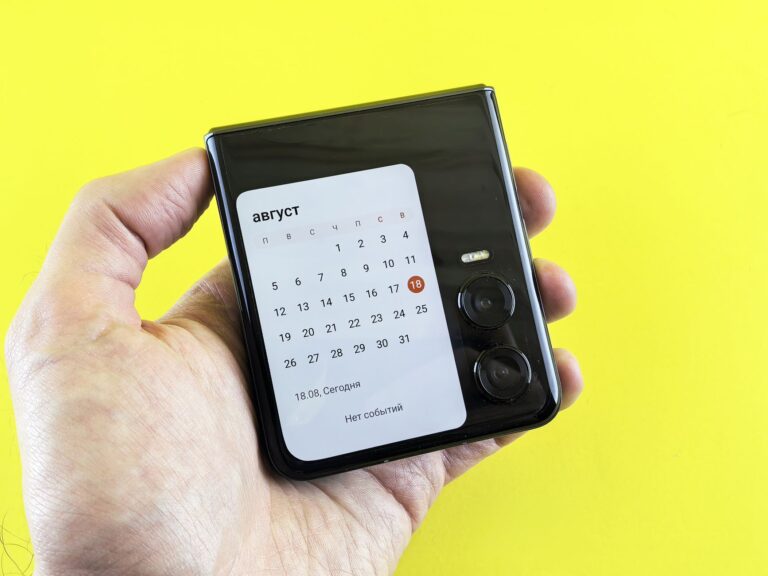
Since then, the market has seen a steady cadence of new entries and refinements. Samsung has expanded the line with the Z Flip series, offering a compact clamshell design, while Motorola introduced the Razr, a nostalgic nod to the iconic flip phone of the early 2000s. Each iteration has brought thinner hinges, stronger cover glass, and more polished user experiences. The evolution from a bulky prototype to a device you can comfortably carry in a pocket signals that foldables are moving beyond the realm of gimmickry.
Engineering Challenges and Solutions
At the heart of any foldable phone is its hinge mechanism. Unlike a traditional smartphone, which is a single solid chassis, a foldable must endure repeated opening and closing cycles while protecting delicate internal components. Early designs used metal or plastic hinges that felt stiff and sometimes produced audible clicks. Modern devices employ a combination of precision‑engineered metal springs, polymer bearings, and lubricants that mimic the smooth action of a notebook laptop.
Screen technology also required a leap forward. Traditional glass cannot bend without cracking, so manufacturers turned to ultra‑thin glass (UTG) and flexible polymer layers. UTG provides a harder surface that resists scratches, while polymer layers add the necessary elasticity. The result is a display that can fold dozens of thousands of times without noticeable wear—a claim substantiated by durability tests conducted by independent labs.
Battery placement poses another puzzle. Folding the device in half means the battery must be split or reshaped to fit the new form factor. Engineers have responded with dual‑cell configurations, where two smaller batteries sit on opposite sides of the hinge, working together to deliver the same overall capacity as a single‑cell phone of comparable size.
Software Adaptation: From Apps to UI
Hardware alone does not determine a foldable’s success; the software must adapt seamlessly to two distinct screen sizes. Android’s 12L update introduced a “large‑screen” mode, allowing apps to automatically expand their layouts when the device is unfolded. Meanwhile, Samsung’s One UI 4.0 includes a “Flex Mode” that detects when the phone is partially opened and repositions UI elements for easier interaction.
- Responsive design: Developers are encouraged to use constraint‑based layouts that can stretch or shrink without breaking.
- Multi‑window support: Unfolded screens can host two apps side‑by‑side, turning a phone into a mini‑productivity hub.
- App continuity: Some apps retain their state when transitioning between folded and unfolded modes, preventing data loss.
These software advances have reduced the friction that early adopters experienced, where many apps simply displayed a black bar or became unusable on the larger screen. As developers continue to embrace responsive design principles, the user experience on foldables becomes increasingly indistinguishable from that on traditional devices, except for the added versatility.
Consumer Reception and Market Trends
Initial sales figures for foldables were modest, largely because the premium price point limited adoption to enthusiasts and early‑tech adopters. However, the market’s response has been encouraging enough for major manufacturers to keep investing. Analysts note that the segment has grown at a steady double‑digit annual rate, reflecting both increased production efficiency and broader consumer curiosity.
Surveys conducted by independent research firms show that a significant portion of respondents view foldables as “interesting but not essential.” The primary concerns cited include durability, price, and the perceived need for a larger screen. Yet, among those who have owned a foldable for more than six months, many report that the device has become their primary phone, citing the convenience of a tablet‑sized display for reading, multitasking, and video consumption.
Another factor shaping perception is the ecosystem. When a phone can double as a portable workstation, it competes directly with lightweight laptops and tablets. For professionals who travel frequently, the ability to switch from a pocket‑sized phone to a 7‑inch productivity canvas without carrying extra hardware is a compelling proposition.
Use Cases That Make Sense
Not every user will find a foldable phone indispensable, but certain scenarios highlight its practical advantages:
- On‑the‑go productivity: Opening the device reveals a larger workspace for editing documents, managing spreadsheets, or running multiple apps side‑by‑side.
- Media consumption: Streaming movies or browsing the web on a near‑tablet screen offers a more immersive experience without the bulk of a separate tablet.
- Photography and content creation: The extended display can serve as a viewfinder for composition or as a canvas for quick edits.
- Travel and commuting: A compact folded form fits easily in a pocket, while the unfolded screen provides a comfortable reading area on a train or plane.
These scenarios illustrate that foldables are not merely a novelty; they address real gaps in the current mobile experience. For users who value flexibility over the lowest possible price, the trade‑off can feel justified.
The Road Ahead: What to Expect
Looking forward, several trends suggest that foldables will continue to mature rather than fade out as a fleeting fad.
Lower Costs. As manufacturing yields improve and supply chains stabilize, the price premium is expected to shrink. Early models often carried a markup due to low-volume production; newer generations benefit from economies of scale.
Improved Materials. Researchers are exploring graphene‑based films and other next‑generation polymers that could make screens both thinner and more resilient. A stronger hinge design could also reduce the audible “click” that some users find distracting.
Broader Ecosystem Integration. Companies are already experimenting with accessories such as detachable keyboards and stylus pens that latch onto the device when unfolded, blurring the line between phone, tablet, and laptop. Seamless hand‑off between a foldable and a desktop environment could become a standard feature in the next few years.
Software Maturity. With each Android update, APIs for foldable detection become richer, allowing developers to craft experiences that feel native rather than retrofitted. As more apps adopt these guidelines, the ecosystem will feel more cohesive, reducing the “gimmick” perception.
Ultimately, the question of whether foldable phones are a gimmick or the future hinges on how well the industry balances novelty with utility. The technology has already proven that the engineering challenges are solvable; the next hurdle is convincing a broader audience that the added flexibility translates into tangible daily benefits. If manufacturers can continue to lower prices, enhance durability, and deliver software that truly leverages the larger screen, foldables are poised to become a mainstream option rather than a niche curiosity.
