
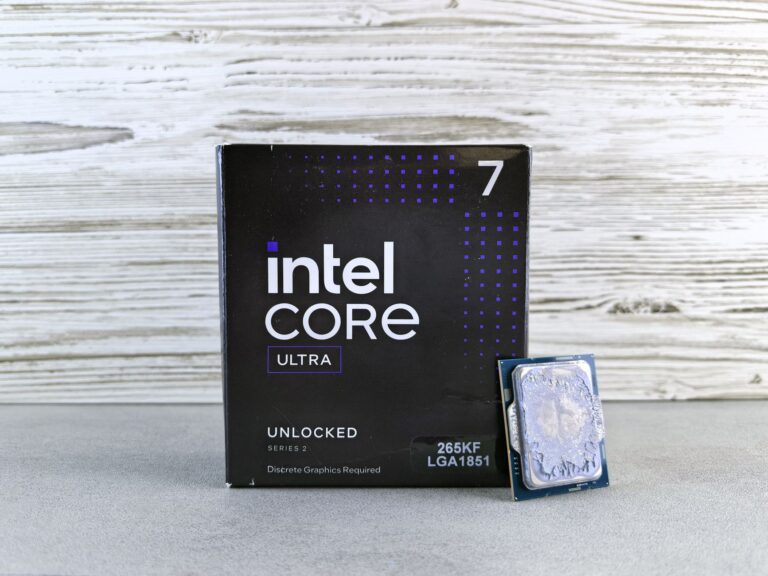
The evolving processor landscape: Intel vs. Apple
When it comes to the heart of a computer, the processor is the decisive factor that shapes performance, power consumption, and the overall user experience. Over the past decade, the competition between Intel and Apple has moved from a simple rivalry of “PC versus Mac” to a nuanced battle of architectural philosophies, ecosystem integration, and strategic positioning. With Intel’s recent Core Ultra lineup and Apple’s forthcoming M4 silicon, the conversation has shifted to a more direct comparison of two very different approaches to modern computing.
Architecture and design philosophy
Intel’s Core Ultra processors are built on the “Meteor Lake” and “Arrow Lake” families, which introduce a hybrid design that combines high-performance “P‑cores” with energy‑efficient “E‑cores.” This architecture mirrors the concept popularized by ARM‑based chips, aiming to allocate workloads dynamically: demanding tasks run on the P‑cores while background and low‑intensity processes stay on the E‑cores. Intel’s 7‑nanometer process (Intel 7) and its Foveros 3D stacking technology enable tighter integration of cache, AI accelerators, and integrated graphics, creating a more modular chip that can be tailored for everything from thin‑and‑light laptops to desktop workstations.
Apple’s M4, while not yet officially released, is expected to be the next generation of Apple’s custom ARM‑based SoC line that began with the M1 in 2020. Apple’s design philosophy emphasizes a “system‑on‑chip” (SoC) approach where CPU, GPU, Neural Engine, and a suite of custom accelerators share a unified memory pool. This tight integration reduces latency and allows the OS to schedule tasks with a granularity that traditional x86 platforms struggle to match. Historically, each new M‑series chip has introduced a larger number of high‑efficiency cores alongside a modest set of high‑performance cores, reinforcing Apple’s focus on balancing raw speed with battery life.
Performance and efficiency in real‑world use
Early hands‑on impressions from developers and reviewers suggest that both chips excel in different scenarios. Core Ultra’s high‑performance cores are clocked higher than the previous generation, delivering noticeable gains in single‑threaded workloads such as gaming, video encoding, and certain scientific simulations. Meanwhile, its E‑cores contribute to multi‑threaded efficiency, allowing laptops equipped with Core Ultra to handle background tasks (e.g., syncing, AI‑assisted features) without a dramatic impact on battery life.
Apple’s M‑series has consistently demonstrated impressive performance per watt, and the rumored M4 appears set to continue that trend. The integration of a next‑generation Neural Engine is expected to accelerate machine‑learning workloads dramatically, which benefits everything from photo and video editing apps to real‑time translation services. Because macOS is designed from the ground up to exploit the shared memory architecture, users often see smoother multitasking even when the raw CPU clock speeds appear modest compared to Intel’s top‑end offerings.
In practice, a developer who frequently compiles large codebases may favor the Core Ultra platform for its raw x86 performance and broader compatibility with existing toolchains. Conversely, a creative professional who relies heavily on GPU‑accelerated rendering and AI‑driven effects might find the M4’s unified architecture and optimized software stack more compelling.
Software ecosystem and developer support
One of the most significant differences between the two platforms lies in the surrounding software ecosystem. Intel’s x86 architecture has been the industry standard for decades, meaning virtually every desktop operating system, development environment, and legacy application is built for it. This universality translates to a low barrier of entry for developers who can compile code once and expect it to run across a wide range of hardware configurations.
Apple’s strategy, on the other hand, leans heavily on the transition to ARM and the benefits it brings to developers through tools like Xcode, Rosetta 2, and the emerging Universal App framework. While Apple provides translation layers to run Intel‑based macOS apps on Apple Silicon, performance can vary, and some niche professional tools still rely on native x86 binaries. Nonetheless, the growing availability of cross‑platform development kits (e.g., Unity, Unreal Engine, and Flutter) has made it easier than ever to target both Intel and Apple Silicon without maintaining separate codebases.
Both companies have been investing in AI acceleration. Intel’s Intel Deep Learning Boost and integrated AI inference engines are now part of the Core Ultra package, offering developers low‑latency inference on the CPU itself. Apple’s Neural Engine, now part of the M4, provides a dedicated path for machine‑learning tasks, and Apple has been open about its on‑device privacy‑first approach, which resonates with developers building privacy‑sensitive applications.
Key differences at a glance
- Instruction set: Core Ultra – x86‑64; M4 – ARM64.
- Hybrid core strategy: Both use performance and efficiency cores, but Intel’s P‑/E‑core balance leans toward higher peak clock speeds, while Apple emphasizes a more even distribution of efficiency cores.
- Graphics: Intel integrates Xe‑LP graphics with up to 32 execution units; Apple’s GPU is custom‑designed with a focus on media processing and Metal API performance.
- Memory architecture: Intel relies on traditional DDR5 channels; Apple employs unified LPDDR5X memory, eliminating the need for separate graphics memory.
- Ecosystem: Intel supports Windows, Linux, and macOS (via Boot Camp/virtualization); Apple’s SoC is tightly coupled with macOS and iOS ecosystems.
Market positioning and target audiences
Intel’s Core Ultra series is positioned as a versatile solution for premium laptops, ultrabooks, and entry‑level desktops that demand a balance of performance and efficiency. OEMs such as Dell, Lenovo, and HP have already announced models featuring Core Ultra, emphasizing thin‑and‑light form factors paired with strong battery life—attributes that directly compete with Apple’s MacBook line.
Apple’s M4, by contrast, will likely debut in the next generation of MacBook Air and Pro models, as well as the iMac and possibly the upcoming Mac mini refresh. Apple’s pricing strategy typically bundles hardware, software, and services (e.g., iCloud, AppleCare) into a cohesive package, appealing to consumers who value an integrated experience over raw hardware flexibility.
For enterprise customers, Intel’s broader driver support and compatibility with legacy Windows‑based applications remain a decisive factor. Apple’s growing foothold in the enterprise space, especially in creative and design industries, is bolstered by the M‑series’s reputation for reliability, security, and low total cost of ownership.
Future outlook: what comes next?
Both chipmakers have signaled that the competition is far from settled. Intel’s roadmap includes further refinements to its hybrid architecture, with a focus on expanding AI‑specific accelerators and improving inter‑core communication through its “Thread Director” technology. The company is also investing in heterogeneous integration, which could see future Core Ultra variants with chiplet‑based designs that bring together discrete GPUs or specialized ASICs.
Apple, meanwhile, is expected to continue refining the SoC approach, potentially adding more powerful Neural Engine cores and expanding the GPU’s capabilities to support higher‑resolution displays and emerging AR/VR workloads. Rumors suggest Apple may also explore a higher‑bandwidth memory solution for the M4, which would further close the performance gap in memory‑intensive tasks like 8K video editing.
From a consumer perspective, the real impact of these advances will be seen in devices that stay thin, charge quickly, and run for extended periods without sacrificing the ability to handle demanding professional software. As both companies push the envelope, we can anticipate a future where the lines between “PC” and “Mac” blur even further, leaving the end user to choose based on ecosystem preference rather than raw technical specifications.
Conclusion: choosing the right chip for your needs
Deciding between Intel’s Core Ultra and Apple’s upcoming M4 ultimately comes down to three core considerations: platform ecosystem, workload profile, and personal preference. If you rely on a Windows or Linux environment, need broad software compatibility, or prioritize upgradeability, Core Ultra offers a familiar, high‑performance option backed by decades of industry support. If you value an integrated hardware‑software experience, benefit from Apple’s unified memory architecture, and your workflows are centered around macOS‑optimized applications, the M4 is likely to provide a smoother, more power‑efficient experience.
In the end, the competition drives innovation, and both Intel and Apple are delivering chips that push the boundaries of what a laptop or desktop can do. Whether you’re a developer, a content creator, or a power user, the choice between Core Ultra and M4 will shape how you work, play, and create in the years to come.
