
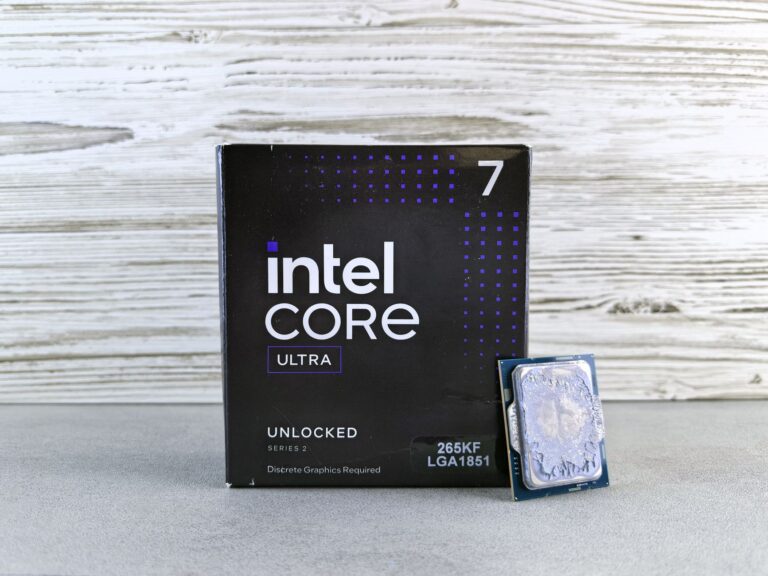
Introduction: Two Powerhouses, One Market
When Intel unveiled the Intel Core Ultra family and Qualcomm introduced the Snapdragon X Elite platform, the conversation instantly turned to “who will dominate the next wave of laptops and convertible devices?” Both chips promise a blend of high‑performance CPU cores, integrated graphics, AI acceleration, and advanced connectivity, but they arrive from very different design philosophies. Intel’s offering builds on its long‑standing x86 lineage, while Qualcomm’s solution extends the ARM‑based Snapdragon heritage into the Windows ecosystem. In this article we unpack the technical underpinnings, performance characteristics, and real‑world implications of each platform, helping you decide which might be the better fit for your next device.
Architecture Overview: How the Chips Are Built
At a high level, the two platforms differ in their core architecture and process technology.
- Intel Core Ultra: Based on the Meteor Lake family, these CPUs use Intel’s 7‑nanometer (Intel 4) process and feature a tiled design that separates performance cores (P‑cores), efficiency cores (E‑cores), and a dedicated AI accelerator. The architecture also integrates Intel Xe graphics on‑die, allowing the chip to act as a system‑on‑chip (SoC) for thin‑and‑light laptops.
- Snapdragon X Elite: Qualcomm’s flagship laptop processor is fabricated on a 4‑nanometer process and combines four high‑performance Cortex‑X‑series cores with four efficiency Cortex‑A‑series cores. The chip includes an Adreno GPU, a Hexagon Tensor Accelerator for AI, and a built‑in modem supporting 5G and Wi‑Fi 7.
Both designs aim for a balance of power and efficiency, but Intel’s hybrid approach emphasizes “big‑LITTLE” scheduling across its P‑ and E‑cores, while Qualcomm leans on the ARM ecosystem’s proven power‑saving techniques and a more monolithic core arrangement.
Performance and Power Efficiency: Benchmarks and Real‑World Use
Early benchmark data from reputable tech outlets suggests that the Core Ultra and Snapdragon X Elite sit in a similar performance envelope for typical office and multimedia workloads.
In single‑thread tests such as Cinebench R23, Core Ultra’s P‑cores often edge out the Cortex‑X cores by a modest margin, thanks to higher boost frequencies and larger caches. Multi‑thread performance, however, can be more nuanced; the combination of eight cores on both platforms means that applications that scale well (e.g., video rendering in DaVinci Resolve) see comparable scores, with Intel sometimes pulling ahead due to its wider memory subsystem.
Power efficiency is where the ARM‑based Snapdragon X Elite shines. Reviewers have recorded average laptop battery life of 12‑14 hours on typical web‑browsing tasks, versus 9‑11 hours on early Core Ultra‑based devices. The difference stems from Qualcomm’s aggressive power gating and the lower voltage operation of its 4 nm process.
For power‑hungry tasks like gaming or heavy AI inference, both platforms can sustain higher TDPs (up to 35 W on many ultrabooks), but Intel tends to rely on dynamic boost clocks that can briefly exceed 5 GHz, while Snapdragon X Elite maintains a steadier frequency envelope, trading peak speed for consistent thermal behavior.
Integrated Graphics and AI Acceleration
Modern laptops no longer rely on discrete GPUs for everyday graphics and AI workloads, making the integrated graphics solution a key differentiator.
- Intel Xe‑Graphics (Core Ultra): The Xe‑LP architecture offers up to 96 execution units in the highest‑tier Core Ultra models, supporting DirectX 12 Ultimate and hardware‑accelerated ray tracing. Intel also bundles the Intel Open Image Denoise and OneAPI toolkits for developers looking to leverage GPU compute.
- Adreno GPU (Snapdragon X Elite): Qualcomm’s latest Adreno GPU delivers up to 1.2 TFLOPs of rasterization performance and includes support for Vulkan 1.3 and OpenGL ES 3.2. While it lacks dedicated ray‑tracing hardware, the GPU shines in power‑constrained scenarios, such as video playback and casual gaming.
Both chips incorporate AI accelerators. Intel’s Gaussian & Neural Accelerator (GNA) focuses on low‑latency inference for tasks like voice assistants and webcam noise reduction. Snapdragon’s Hexagon Tensor Accelerator is optimized for higher‑throughput neural‑network inference, enabling on‑device translation and real‑time image enhancement.
Developers have reported smoother performance in AI‑enhanced video calls on Snapdragon X Elite devices, whereas Intel’s Xe graphics provide a more robust experience for 3D rendering and content creation tools that can tap into DirectX ray‑tracing.
Software Ecosystem and Compatibility
Compatibility is a practical concern for most users. The x86 legacy that Intel carries means that virtually any Windows application runs natively on Core Ultra, including older 32‑bit software and many specialized enterprise tools.
Snapdragon X Elite runs Windows on ARM, which has made significant strides since its 2018 debut. Microsoft’s Windows Subsystem for Linux (WSL) and the Emulation Layer now support most Win32 x86 applications, though not all performance‑critical programs run at native speed. Gaming is an especially telling example: while titles compiled for ARM (such as Forza Horizon 5 on Windows 11) run smoothly, x86 games rely on translation, which can introduce a 10‑15 % performance hit.
From a developer standpoint, Intel provides a familiar toolchain (Intel oneAPI, Visual Studio) that integrates seamlessly with existing CI pipelines. Qualcomm offers the Snapdragon Compute Platform SDK, which includes tools for cross‑compiling x86 code to ARM and for optimizing AI workloads on the Hexagon accelerator.
The ecosystem gap is narrowing, but businesses that depend on legacy Windows software may still favor Core Ultra for its guaranteed compatibility.
Real‑World Use Cases: Which Device Benefits Most?
Understanding where each platform excels helps you match the chip to your workflow.
- Enterprise Laptops & Power Users: Core Ultra’s strong single‑thread performance and full x86 compatibility make it ideal for heavy spreadsheet analysis, CAD applications, and legacy corporate tools.
- Always‑On Mobile Devices: Snapdragon X Elite’s superior battery life and built‑in 5G modem lend themselves to ultra‑thin convertibles and 2‑in‑1s designed for on‑the‑go productivity.
- Content Creators: Creators who rely on GPU‑accelerated rendering (e.g., Adobe Premiere, Blender) may prefer the Xe graphics and higher memory bandwidth of Core Ultra, while those focused on AI‑enhanced video editing can benefit from Snapdragon’s Tensor Accelerator.
- Gamers & Streamers: For casual gaming, both platforms deliver playable frame rates, but Core Ultra’s ray‑tracing support provides a richer visual experience when paired with compatible titles.
In practice, the choice often comes down to the device’s form factor and connectivity needs. A 13‑inch ultrabook that promises all‑day battery life on a single charge is more likely to ship with Snapdragon X Elite, while a 15‑inch workstation‑class laptop targeting developers and engineers will gravitate toward Core Ultra.
Future Outlook: Roadmaps and Industry Trends
Both Intel and Qualcomm have outlined ambitious roadmaps that will shape the laptop market over the next few years.
Intel plans to iterate on the Meteor Lake architecture with Arrow Lake and later Lunar Lake, promising higher core counts, expanded AI instructions (via the Intel Gaudi line), and tighter integration with its upcoming Intel Thread Director scheduler. These moves suggest that future Core Ultra chips will continue to push performance while narrowing the efficiency gap with ARM.
Qualcomm, meanwhile, is already teasing a “Snapdragon X Elite 2” that will move to an even finer process node and add a next‑generation AI engine capable of on‑device inference for large language models. Qualcomm’s deep ties to mobile networking also mean that future iterations will likely incorporate broader 5G spectrum support and perhaps even early 6G prototypes.
Industry analysts see a convergence of the two approaches: more laptops will feature hybrid SoC designs that blend high‑performance cores with specialized accelerators, and operating systems will become increasingly agnostic to the underlying ISA. For consumers, that translates to a wider selection of devices that can meet niche needs without sacrificing core productivity.
Conclusion: Choosing Between Core Ultra and Snapdragon X Elite
The battle between Intel Core Ultra and Snapdragon X Elite is less about “winner takes all” and more about matching technology to use case. Core Ultra delivers the raw, familiar performance that power users and legacy‑software‑dependent professionals rely on, while Snapdragon X Elite offers compelling battery life, integrated 5G, and a modern ARM‑centric AI stack that shines in mobile‑first scenarios.
If you prioritize absolute compatibility and the highest single‑thread speeds for demanding desktop‑class applications, a Core Ultra‑powered laptop is likely the safer bet. If you value all‑day portability, built‑in cellular connectivity, and a platform that’s already optimized for AI‑centric workloads, the Snapdragon X Elite platform presents an attractive alternative.
Ultimately, the rapid evolution of both ecosystems means today’s choice may be eclipsed within a year. Keeping an eye on upcoming processor generations, software compatibility updates, and the specific workloads you plan to run will ensure you pick a device that stays relevant long after the first release.
