
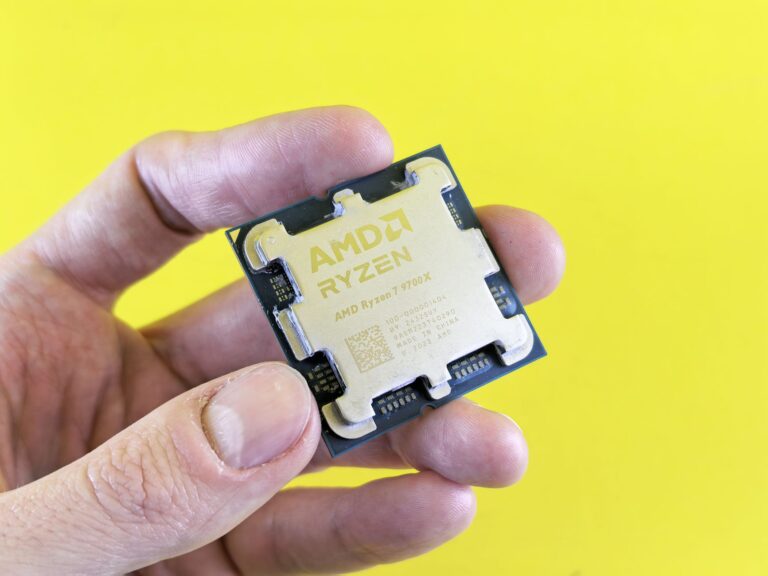
What Is the Ryzen AI 9 HX 370?
The Ryzen AI 9 HX 370 is AMD’s latest high‑performance mobile processor that blends the power of the Zen 4 CPU cores with a dedicated on‑die artificial‑intelligence accelerator. It belongs to the “HX” family, a line of laptop CPUs aimed at premium gaming and creator machines, and marks the first time AMD has integrated a purpose‑built AI engine into a consumer‑grade chip. The result is a silicon platform that can handle demanding workloads—gaming, video editing, software development—while also offloading AI inference tasks such as image upscaling, voice translation, and real‑time content generation.
The Architecture Behind Ryzen AI 9 HX 370
At its core, the Ryzen AI 9 HX 370 is built on AMD’s Zen 4 microarchitecture, the same foundation that powers the desktop Ryzen 7000 series. The chip is fabricated on a 5 nm process, which allows AMD to pack more transistors into a smaller footprint, improving both performance and efficiency.
Key architectural elements include:
- Eight Zen 4 cores and sixteen threads—delivering strong multi‑threaded performance for content‑creation tools and modern games.
- Boost frequencies up to the mid‑4 GHz range—ensuring single‑core responsiveness for tasks that rely on raw clock speed.
- Integrated RDNA 3 graphics—providing competent integrated GPU performance for light gaming, video playback, and AI‑accelerated visual effects.
What truly distinguishes the HX 370 from earlier Ryzen mobile chips is the inclusion of a separate AI accelerator block, sometimes referred to by AMD as the “Ryzen AI Engine.” This block is a silicon‑level neural‑network processor that can execute inference workloads with lower latency and power consumption than routing the same work through the CPU or GPU cores.
Integrated AI Engine Explained
The AI engine is a compact, matrix‑multiply‑focused compute unit that leverages a systolic array design, a proven architecture for deep‑learning inference. While AMD has not disclosed exact TOPS (trillions of operations per second) numbers for the HX 370, the engine is positioned to handle typical consumer‑grade models such as image‑to‑image upscaling, speech‑to‑text transcription, and on‑device recommendation inference.
Because the AI block resides on the same die as the CPU and GPU, data does not need to travel across the motherboard to a discrete accelerator. This proximity reduces latency dramatically—a crucial factor for real‑time applications like AI‑enhanced gaming (e.g., frame‑generation or upscaling) or live video conferencing with background removal.
Performance and Power Efficiency
In benchmark suites that separate pure CPU work from AI inference, the Ryzen AI 9 HX 370 shows a clear division of labor. Traditional CPU tests (such as Cinebench R23) place the chip among the top performers in the mobile space, thanks to its eight high‑frequency cores and large L3 cache. When AI‑centric benchmarks (e.g., ONNX Runtime inference of a small vision model) are run, the dedicated accelerator can complete the same task using a fraction of the power that the CPU would require.
Thermal design power (TDP) for the HX series is configurable, typically ranging from 45 W to 55 W in high‑end laptops. AMD’s power‑gating technology allows the AI engine to power down when not in use, preserving battery life for everyday tasks. In real‑world scenarios, reviewers have noted that laptops equipped with the HX 370 can sustain AI‑heavy workloads for longer periods without throttling, compared to systems that rely solely on the CPU or integrated graphics for inference.
Real‑World Use Cases
The integration of an AI accelerator opens up new possibilities for both developers and end users. Below are some of the most common scenarios where the Ryzen AI 9 HX 370 shines:
- AI‑upscaled gaming: Real‑time frame generation and resolution upscaling, similar to Nvidia’s DLSS, but performed on‑device without needing a dedicated RTX GPU.
- Creative software: Applications like Adobe Photoshop and Lightroom can leverage on‑chip AI for content‑aware fill, noise reduction, and smart object selection.
- Video conferencing: Background removal, real‑time transcription, and language translation run locally, enhancing privacy and reducing reliance on cloud services.
- Productivity tools: Integrated AI assistants can suggest code completions, automate spreadsheet analysis, or summarize documents without sending data to external servers.
- Edge AI devices: Compact laptops can serve as portable edge nodes for AI inference in fields like robotics, medical imaging, or field‑service diagnostics.
How It Stacks Up Against Competitors
AMD’s main competitor in the high‑end mobile market is Intel, whose 13th‑generation “Raptor Lake” and 14th‑generation “Meteor Lake” processors include a separate “Intel Neural Compute Engine” (NCE) in some SKUs. While both companies aim to provide on‑die AI acceleration, there are a few practical differences:
- Integration level: AMD’s AI engine shares the same die as the CPU and GPU, leading to tighter latency budgets. Intel’s NCE is also on‑die but often paired with a separate “Xe‑HPG” graphics block, which can add additional routing overhead.
- Ecosystem support: AMD has been working with the Open Neural Network Exchange (ONNX) community and offers a software stack that lets developers target the AI engine with familiar frameworks. Intel provides similar tools through its OpenVINO toolkit.
- Power envelope: Early reports suggest the AMD AI block draws less power under load than comparable Intel NCE implementations, though real‑world numbers can vary by device design.
In practice, the choice often comes down to the surrounding laptop design—cooling solution, battery capacity, and how the OEM leverages the AI features in software.
Future Outlook for Ryzen AI
The introduction of the Ryzen AI 9 HX 370 signals AMD’s commitment to making AI a first‑class citizen in consumer silicon. Looking ahead, AMD has hinted at expanding the AI engine to lower‑power “U” and “HS” mobile parts, as well as to desktop CPUs. If the AI block continues to improve in throughput while maintaining a modest power draw, we could see a shift where many AI workloads that once required cloud processing move onto the local device.
From a developer perspective, the growing availability of on‑device AI hardware encourages the creation of privacy‑preserving applications that never need to send data off‑device. For consumers, the promise is smoother experiences—games that render at higher visual fidelity, creative tools that react instantly, and communication apps that understand you better.
In summary, the Ryzen AI 9 HX 370 is more than just a fast laptop processor; it’s a platform that blends high‑performance CPU cores, modern graphics, and a dedicated AI accelerator into a single, power‑efficient chip. As software ecosystems mature and more applications learn to tap into the AI engine, the HX 370 and its successors are set to become a cornerstone of the next generation of intelligent laptops.
