
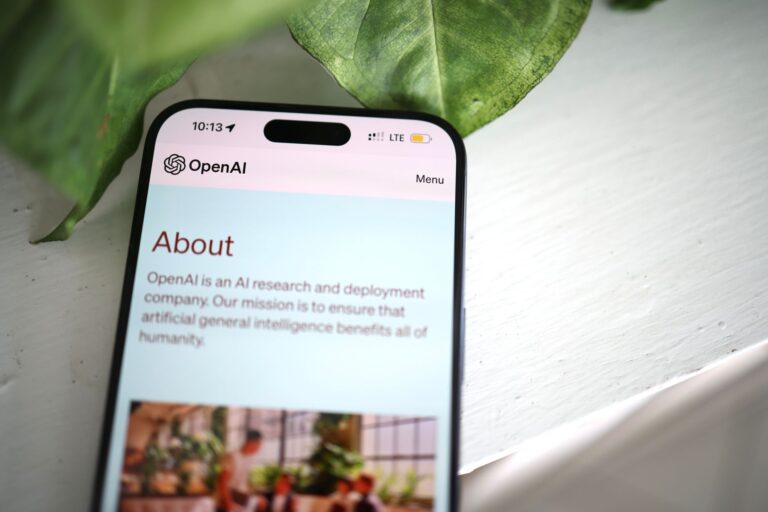
AI at the Core: From Chip to Experience
Smartphones have always been about packing more power into a pocket‑sized device. In the last few years that power has shifted from raw clock speed to intelligent processing. Modern SoCs (system‑on‑chips) now include dedicated neural engines or AI accelerators, which handle machine‑learning tasks far more efficiently than general‑purpose cores. This hardware evolution means AI is no longer an afterthought in an app—it is baked directly into the phone’s operating system, camera pipeline, and even power‑management firmware.
Developers can now access on‑device models through standardized APIs, allowing them to run complex inference without sending data to the cloud. The result is faster response times, lower latency for real‑time features, and improved privacy because user data can stay on the device.
Computational Photography: Smarter Cameras
The most visible impact of AI on smartphones is in the camera. What used to require a DSLR’s optical zoom or manual exposure adjustments is now achieved through software. AI‑driven algorithms analyze each frame, merging multiple exposures, adjusting color balance, and reducing noise in real time. This “computational photography” approach enables features such as portrait mode, night‑scene capture, and ultra‑wide angle correction without the need for bulky lenses.
These improvements rely on deep‑learning models trained on millions of images. When you tap the shutter, the phone’s neural engine quickly evaluates the scene, identifies subjects, and applies the appropriate processing pipeline—all in a fraction of a second.
- Scene detection: Recognizes landscapes, food, low‑light, etc., to optimize settings automatically.
- HDR+ merging: Combines several short exposures for a balanced image.
- Portrait bokeh: Uses depth estimation to blur backgrounds while keeping subjects sharp.
Personal Assistants That Actually Listen
Voice assistants have been a staple for years, but AI has turned them from simple command executors into context‑aware companions. Modern assistants can understand natural language nuances, follow multi‑step instructions, and even anticipate user needs based on patterns such as daily routines or location history.
On‑device speech‑to‑text models mean that voice queries can be processed locally, reducing reliance on cloud servers and speeding up response times. This also addresses privacy concerns; the raw audio never leaves the phone unless the user explicitly opts to send it for further processing.
Battery and Performance Management Powered by AI
Smartphone batteries have improved incrementally, but AI has introduced a smarter way to stretch that capacity. By monitoring usage patterns, the operating system can predict which apps will be used next and allocate resources accordingly. For example, if the phone learns that you typically open a navigation app after checking your calendar, it can pre‑warm the necessary services while throttling background tasks that are unlikely to be needed.
This predictive management extends to thermal control as well. AI models assess CPU load, ambient temperature, and power draw to adjust clock speeds in real time, keeping the device cool without sacrificing performance during intensive tasks like gaming or video editing.
Security and Privacy: AI as a Guard
Facial recognition and fingerprint scanning have become standard, but AI has taken security a step further. Modern face‑unlock systems use 3D depth mapping and neural networks to differentiate a live user from photos or masks. The same AI models can detect anomalies, such as unexpected login locations or unusual app behavior, and prompt the user for additional verification.
Beyond biometrics, AI helps spot malware by analyzing app behavior in real time. Instead of relying solely on signature databases, the system watches for suspicious patterns—like an app attempting to access the microphone in the background without a clear reason—and can quarantine or warn the user before any damage occurs.
AI‑Enhanced Accessibility Features
Artificial intelligence is also making smartphones more inclusive. Real‑time transcription services, powered by on‑device language models, provide captions for phone calls and videos, assisting users with hearing impairments. Similarly, AI-driven image description can narrate visual content for those who are blind or have low vision.
These tools run locally, which means they work offline and protect user privacy. The models adapt over time, learning the user’s speech patterns and preferences to deliver more accurate assistance.
The Future: AI‑First Apps and Services
As AI becomes a standard component of mobile hardware, developers are shifting from “add‑on” features to AI‑first design. Apps are being built around predictive capabilities—such as smart photo organizers that automatically tag and sort images, or messaging platforms that suggest context‑relevant replies based on conversation tone.
In the coming years, we can expect deeper integration of AI with emerging technologies like augmented reality. Real‑time object recognition will allow AR overlays that respond intelligently to the environment, making shopping, education, and gaming experiences more seamless.
The convergence of powerful on‑device AI hardware, open APIs, and growing developer expertise is turning smartphones into truly intelligent assistants. From clearer photos and longer battery life to stronger security and richer accessibility, AI is reshaping the everyday phone into a tool that not only reacts to our commands but anticipates our needs.
